









Pot odds and EV: put numbers behind a call
Calculate the break-even equity for a call, distinguish pot odds from implied odds and understand why a good decision can lose.
Read the guidePart of the PokerWise poker learning app. · 03 / 08
Study how decisions change as the blinds rise and stacks get shorter. Explore M and Q ratios, all-in decisions, short-handed play and heads-up situations.
Coming November 2026
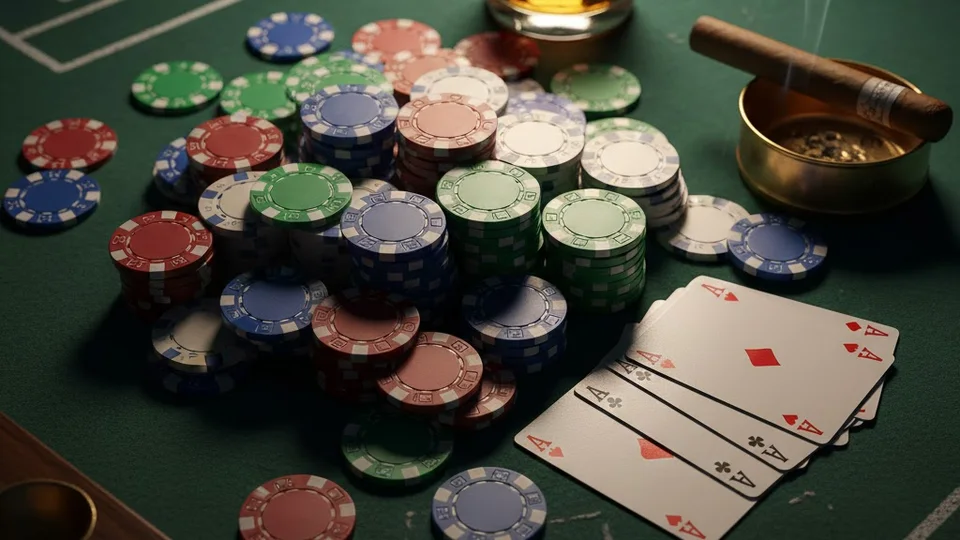
Tournament decisions change as stacks become shorter and the field approaches the end of an event. This book develops the endgame ideas that help you recognise those changes. It introduces M, Q and stack zones, then connects them to all-in decisions, isolation and play at short-handed tables. The goal is to understand what your available chips allow you to do before choosing a line.
A hand cannot be judged by its cards alone when the blinds threaten your stack or the table has fewer players. Effective stacks, the price of a call and the action still to come influence the decision. The material provides a framework for reviewing those pressures without promising a universal push-or-fold rule for every tournament. The detailed poker situations book supplies further examples involving the bubble, ICM and final-table decisions.
Learn what M and Q describe and how stack zones frame an endgame decision. Relate your chips to the cost of staying in the tournament and the surrounding field. These measures are starting points for analysis, not substitutes for observing the actual action.
Connect all-in calculations to practical tactics such as isolation. Compare the amount you risk with the pot you can win, and ask which players can still act. A profitable-looking confrontation can change when another stack is able to enter the pot.
Study how fewer players and heads-up play alter the table. Reconsider hand values, effective M and the usefulness of deception or slowplaying. The remaining opponent's tendencies matter, so a short-handed adjustment should still have a reason rather than becoming automatic aggression.
Tournament endgames are easier to study once you can relate the stack to the cost of staying at the table. If you have 3000 chips and an orbit costs you 500, your M-ratio is 6. This expresses pressure on the stack; it is not a forecast of how many hands you will win.
An M-ratio of 6 does not make every hand an automatic shove. Position, previous action and the opponents’ stacks still matter, as does the price of an all-in call. Use the book’s zone framework to organise the situation, then examine the decision itself. This is particularly useful when moving from a full table to short-handed or heads-up play.
Set up a simple tournament example with blinds, stack sizes and the action before your turn. State which stack is effective and how much a call would cost. Before choosing an all-in, distinguish winning the existing pot without a showdown from being called. Those two outcomes need different reasoning even though both begin with the same action.
Use the explanations to identify the assumption behind your answer: opponent range, calling frequency or stack pressure. Then change one detail and ask whether the decision should change too. Do not treat one winning tournament hand as proof that a tactic always works. Continue with the poker situations book to compare this framework with more complex pressure spots, and remember that tournament equity and chip equity need not be identical.
Build on this topic with the rest of the PokerWise poker curriculum. Choose the next book that fits the decisions you want to improve.
Learn how a Texas Hold’em hand works, how hands are ranked and what the words around the table mean. A starting point before studying strategy.
Connect starting hands, position and pot odds to the decisions you face before and after the flop. Learn to build a plan rather than react to each card in isolation.
Watch and analyse behaviour at a live table. Establish a baseline, recognise changes in posture and hands, and weigh stress or confidence signals against the poker action.
Explore the conditions that make a bluff plausible: opponent tendencies, position, betting patterns, board texture and a story that stays consistent across streets.
Work through 45 decision spots, from basic preflop choices to aggression, multi-street plans and tournament pressure. Examine what changes a decision and why.
Put variance, bankroll management and decision routines into perspective. Study EV, ROI and tournament pressure without confusing a short-term outcome with a good decision.
Recognise habits that undermine sound decisions: bluffing in the wrong spots, poor bankroll discipline, unhelpful coinflips and reacting without understanding your position.