










When does a bluff make sense?
Assess a bluff through fold frequency, opponent tendencies, board texture and the consistency of your betting line.
Read the guidePart of the PokerWise poker learning app. · 08 / 08
Recognise habits that undermine sound decisions: bluffing in the wrong spots, poor bankroll discipline, unhelpful coinflips and reacting without understanding your position.
Coming November 2026
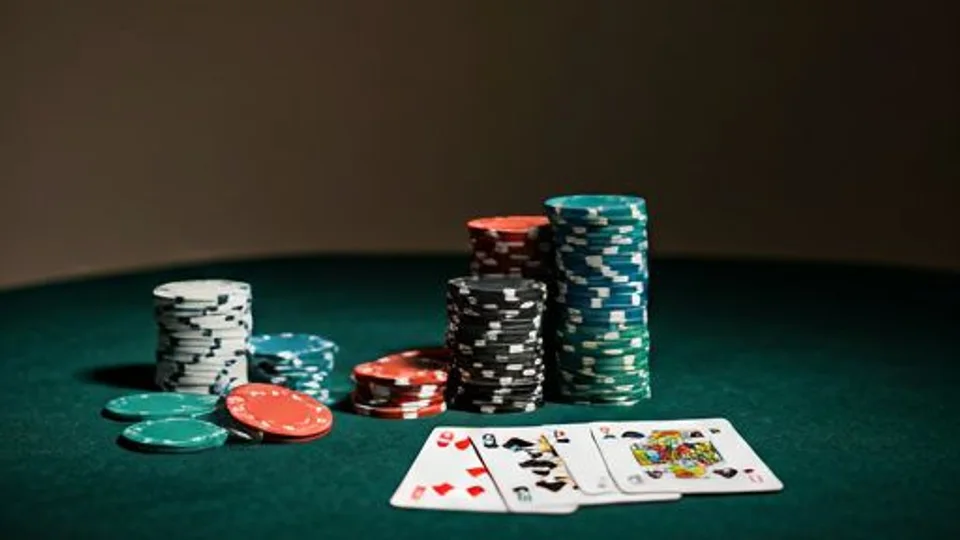
Some poker mistakes persist even after the player can explain the relevant rule. This book focuses on that gap between understanding a concept and acting on it. The lessons examine poorly chosen bluffs, unnecessary risks and habits that turn an uncomfortable moment into an expensive decision. Recognising the trigger behind a mistake makes it easier to review than simply labelling the whole session as bad play.
The goal is not to avoid every losing hand. Losing is part of poker, and a correct decision can produce an unfavourable result. Instead, you learn to identify decisions made without a clear purpose and assumptions that were never checked. This makes the book useful alongside basic strategy and the poker situations: one provides the framework, another shows examples, and this one asks where your own process most often breaks down.
Review the difference between knowing an idea and applying it under pressure. Examples of misguided bluffs and avoidable confrontations show why a play needs a reason beyond frustration, habit or the hope of winning chips back. Examine the decision at the time it was made, rather than using the final cards as evidence that it was obviously right or wrong.
This book is useful when you can explain a strategy away from the table but struggle to follow it under pressure. A recurring error often has a recognisable trigger: a recent bad beat, frustration with an opponent or the feeling that too much has already gone into the pot.
After losing a large pot, you may want to call the next river bet simply to prove that the opponent is bluffing. Pause and describe the hands you expect to beat and the price of the call. The previous loss does not improve those odds. Reviewing the reason for the call exposes this pattern more clearly than labelling every unsuccessful bluff-catch a mistake.
Choose one recurring mistake and describe the moment immediately before it happens. Are you calling because the pot feels too big to abandon, bluffing without a fold target or accepting a close confrontation without checking the price? Give yourself one practical question to interrupt that pattern. Review whether you asked it, not just whether the hand ended in a win.
Work through the explanations and test questions after making your own assessment. If your answer relies on a concept you cannot clearly explain, revisit its main book instead of trying to memorise the correction. Compare several similar decisions over time and note what changed in your reasoning. This creates a focused study loop and helps prevent a successful but poorly reasoned play from becoming a habit simply because it happened to work once.
Build on this topic with the rest of the PokerWise poker curriculum. Choose the next book that fits the decisions you want to improve.
Learn how a Texas Hold’em hand works, how hands are ranked and what the words around the table mean. A starting point before studying strategy.
Connect starting hands, position and pot odds to the decisions you face before and after the flop. Learn to build a plan rather than react to each card in isolation.
Study how decisions change as the blinds rise and stacks get shorter. Explore M and Q ratios, all-in decisions, short-handed play and heads-up situations.
Watch and analyse behaviour at a live table. Establish a baseline, recognise changes in posture and hands, and weigh stress or confidence signals against the poker action.
Explore the conditions that make a bluff plausible: opponent tendencies, position, betting patterns, board texture and a story that stays consistent across streets.
Work through 45 decision spots, from basic preflop choices to aggression, multi-street plans and tournament pressure. Examine what changes a decision and why.
Put variance, bankroll management and decision routines into perspective. Study EV, ROI and tournament pressure without confusing a short-term outcome with a good decision.